Creating a home office that feels both relaxing and productive is essential for anyone working remotely or managing tasks from home. A well-designed workspace can help you stay focused, reduce stress, and boost your overall work quality. Whether you have a dedicated room or a small corner in your living space, there are several simple ways to make your home office more inviting and efficient.
Choose the Right Location
Find a Quiet Spot
Select a spot in your home where you can minimize distractions. Ideally, this should be away from noisy areas like the kitchen or living room where family members gather. If possible, choose a room with a door you can close to avoid interruptions.
Consider Natural Light
Position your desk near a window to take advantage of natural light. Sunlight can improve your mood and energy levels. Avoid glare on your computer screen by placing your desk perpendicular to the window.
Invest in Comfortable Furniture
Ergonomic Chair
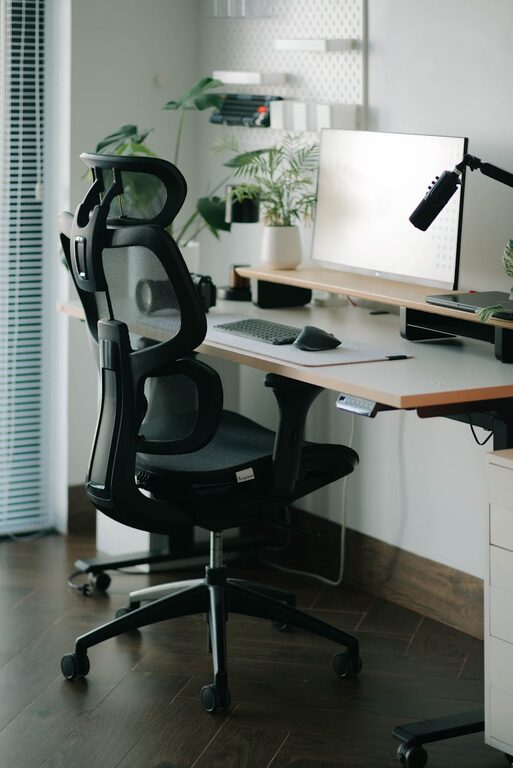
A comfortable, supportive chair is key. Look for one with adjustable height, good lumbar support, and cushioning that suits your body type. Proper posture reduces back pain and fatigue during long work hours.
Desk Setup
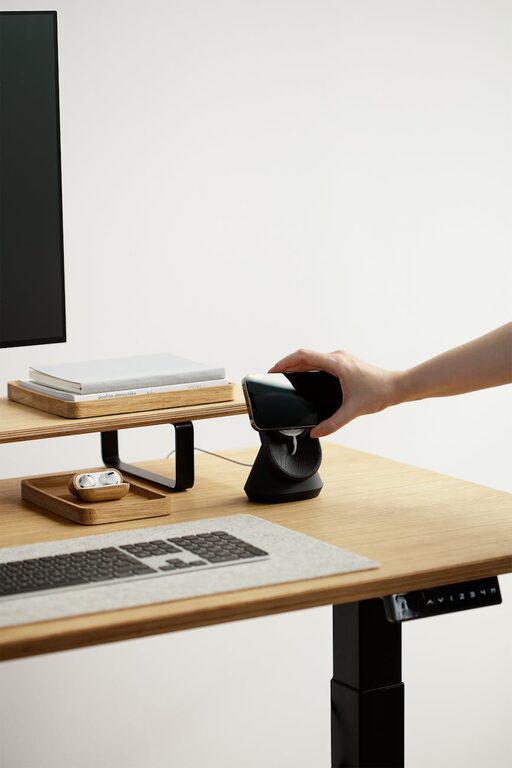
Choose a desk that fits your space but also allows you to keep your essentials organized. A surface at the right height will prevent strain in your shoulders and wrists.
Organize and Declutter
Keep Only Essentials
A cluttered workspace can impact your focus. Keep only items that you use daily on your desk. Store documents, supplies, and gadgets neatly in drawers or organizers.
Use Storage Solutions
Shelving units, filing cabinets, and desk organizers help maintain order. Label your storage to quickly find what you need and avoid unnecessary distractions.
Bring in Soothing Elements
Add Plants
Indoor plants not only freshen up the air but also provide a calming visual break from screen time. Choose easy-to-care-for plants like pothos, snake plants, or succulents.
Calming Colors
Paint your office walls in soft, neutral colors to create a peaceful atmosphere. Shades of blue, green, or beige are known to reduce stress and increase focus.
Personal Touches
Incorporate a few personal items like photos or artwork that inspire you, but avoid overdecorating your space to prevent visual clutter.
Manage Lighting Effectively
Layered Lighting
Combine natural light with task lighting. A desk lamp with adjustable brightness lets you control light levels based on the time of day or task at hand.
Avoid Harsh Fluorescent Lights
Opt for warm, soft white bulbs to reduce eye strain. Consider using smart bulbs that can mimic natural daylight patterns.
Control Noise Levels
Use Noise-Canceling Headphones
If your environment has background noise, noise-canceling headphones can help improve concentration.
White Noise Machines or Apps
White noise can mask distractions from outside sounds, making it easier to focus.
Soundproofing Options
If you have the option, add rugs, curtains, or acoustic panels to absorb noise and reduce echo.
Establish Routines and Boundaries
Set Work Hours
Having clear start and end times helps you remain productive and prevents burnout. Stick to your schedule as much as possible.
Take Breaks
Regular breaks refresh your mind. Use techniques like the Pomodoro method—work for 25 minutes and rest for 5—to stay energized.
Communicate Boundaries
If you live with others, make it clear when you are working and should not be disturbed.
Incorporate Technology Wisely
Use Multiple Screens
Having more than one monitor can improve productivity by making it easier to multitask and reference materials.
Cable Management
Keep cables tidy and out of sight with clips or sleeves. A neat setup reduces stress and improves safety.
Reliable Internet and Equipment
Ensure your internet connection and devices are dependable to avoid frustrating interruptions.
Promote Comfort and Wellness
Stay Hydrated and Nourished
Keep a water bottle nearby and have healthy snacks on hand to maintain energy.
Move Regularly
Stand up, stretch, or walk around throughout the day to reduce stiffness and improve circulation.
Temperature Control
Make sure your workspace is at a comfortable temperature. A fan or heater can help you stay comfortable throughout the seasons.
—
Creating a relaxing and productive home office doesn’t require a complete overhaul. Small improvements and mindful choices can transform your workspace into a haven for focused, stress-free work. By paying attention to comfort, light, organization, and boundaries, you set yourself up for success, whether for a full day of work or tackling tasks bit by bit. Start experimenting with these tips to find a setup that suits your needs best!