
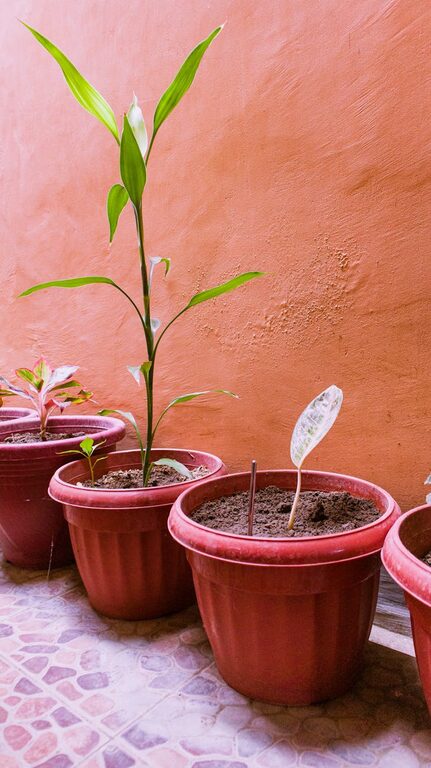
Creating a sustainable home garden doesn’t have to be expensive or complicated. With thoughtful planning and a few smart choices, you can enjoy fresh produce, beautiful plants, and a positive impact on the environment—all without breaking the bank. Whether you’re a beginner or looking to improve your existing garden, these tips will help you cultivate a green space that’s both eco-friendly and budget-friendly.
Why Choose a Sustainable Home Garden?
Sustainability in gardening means using resources wisely to reduce waste, support local ecosystems, and minimize your environmental footprint. A sustainable garden conserves water, avoids harmful chemicals, promotes biodiversity, and often includes locally appropriate plants. Besides being great for the planet, these gardens often require less maintenance, saving you time and money over the long term.
Planning Your Garden on a Budget
1. Start Small and Expand Gradually
It’s easy to get overwhelmed and overspend when starting a garden. Instead, begin with a small space such as a balcony corner, windowsill, or a few raised beds. This approach limits initial costs and helps you learn as you grow.
2. Choose the Right Location
Pick a spot with adequate sunlight (6–8 hours daily for most vegetables). Good location reduces the need for extra resources like grow lights or watering systems. Observe your outdoor space at different times of day before deciding.
3. Make a Simple Garden Plan
Sketch out what you want to grow, considering the season, space, and your needs. Companion planting — pairing plants like tomatoes and basil — can boost growth naturally and deter pests, saving on chemicals.
Affordable Materials and Supplies
1. Use Recycled and Natural Materials
Look around your home or community for materials you can repurpose. Old wooden pallets, containers, and bricks can be transformed into raised beds or planters. Compost from kitchen scraps and yard waste can enrich your soil for free.
2. Choose Seeds Over Seedlings
Seeds are much cheaper than starter plants. They also offer more variety. Save seeds from previous crops when possible, or swap seeds with local gardeners to diversify your plants at no cost.
3. Invest in Basic Tools Wisely
You don’t need a full set of expensive tools right away. Start with essentials like a trowel, watering can, and pruning shears. Look for secondhand tools or check community tool libraries.
Sustainable Gardening Practices That Save Money
1. Compost to Nourish Your Soil
Composting reduces waste and creates nutrient-rich soil conditioner. Whether you use a bin or a simple pile, composting your organic waste decreases the need for store-bought fertilizers.
2. Mulch for Moisture Retention and Weed Control
Mulching with leaves, straw, or grass clippings helps retain soil moisture and suppress weeds, which means less watering and less weeding time.
3. Collect Rainwater
Set up an affordable rain barrel system to collect water from your gutters. Rainwater is free and better for plants than tap water because it’s softer and less chlorinated.
4. Practice Crop Rotation and Companion Planting
Rotating crops each season prevents soil depletion and pest buildup. Companion planting can improve plant health and reduce pests naturally.
Growing Plants That Fit Your Climate & Needs
Choose native or well-adapted plants—they require less water, fertilizer, and pest control. Vegetables and herbs that you frequently use in cooking are excellent choices. Easy growers like lettuce, radishes, and herbs such as mint or parsley provide quick rewards and multiple harvests.
Additional Tips to Save Money
– Start Your Own Plants Indoors: Use egg cartons, newspaper pots, or recycled containers to start seeds inside.
– Join Garden Groups: Community gardens and gardening clubs can be great places to share plants, seeds, tools, and advice.
– Learn and Experiment: Use free online resources, books from the library, and local extension services to build your gardening knowledge.
Conclusion
Creating a sustainable home garden on a budget is an achievable goal that brings plenty of benefits. By starting small, using recycled materials, practicing eco-friendly methods, and selecting appropriate plants, you can cultivate a thriving garden that nurtures your family and the environment. Happy gardening!